


 Accredited with
 Small volume
  Fast turn-around times
 Long-standing
  Non-lethal
  Collaborative
 Regulatory
 Non-destructive
To lead a global shift toward preventative, non-invasive analyses that enable long-term solutions for environmental health.
To make advanced analytical science accessible and actionable – helping industry partners identify early indicators, reduce risk, and build solutions that endure.
TrichAnalytics Inc. was founded by Dr. Jennie Christensen in 2016 and is located in Victoria, British Columbia, Canada. Jennie has been a toxicologist, researcher, and consultant in the environmental services sector for over 20 years. Our specialist laboratory uses a laser ablation inductively coupled plasma mass spectrometer (LA-ICP-MS) combination that allows us to carry out high-precision analyses for characterizing elemental and metal concentrations in a variety of biological tissues. Moreover, our unique analytical techniques using a micro-laser allows us to assess elemental and metal concentrations in small tissue samples, creating opportunities for less invasive and non-lethal monitoring programs.
At TrichAnalytics, we are committed to the highest quality laboratory analysis and bespoke client service. Our Quality Management System (QMS) follows international standards and is accredited with ISO/IEC 17025 through the Canadian Association for Laboratory Accreditation (CALA) for Scope of Accreditation.

TrichAnalytics Inc. is also listed in the BC Ministry of Environment Directory of Qualified Laboratories that meet the qualification criteria of the Environmental Data Quality Assurance Regulation (EDQAR).

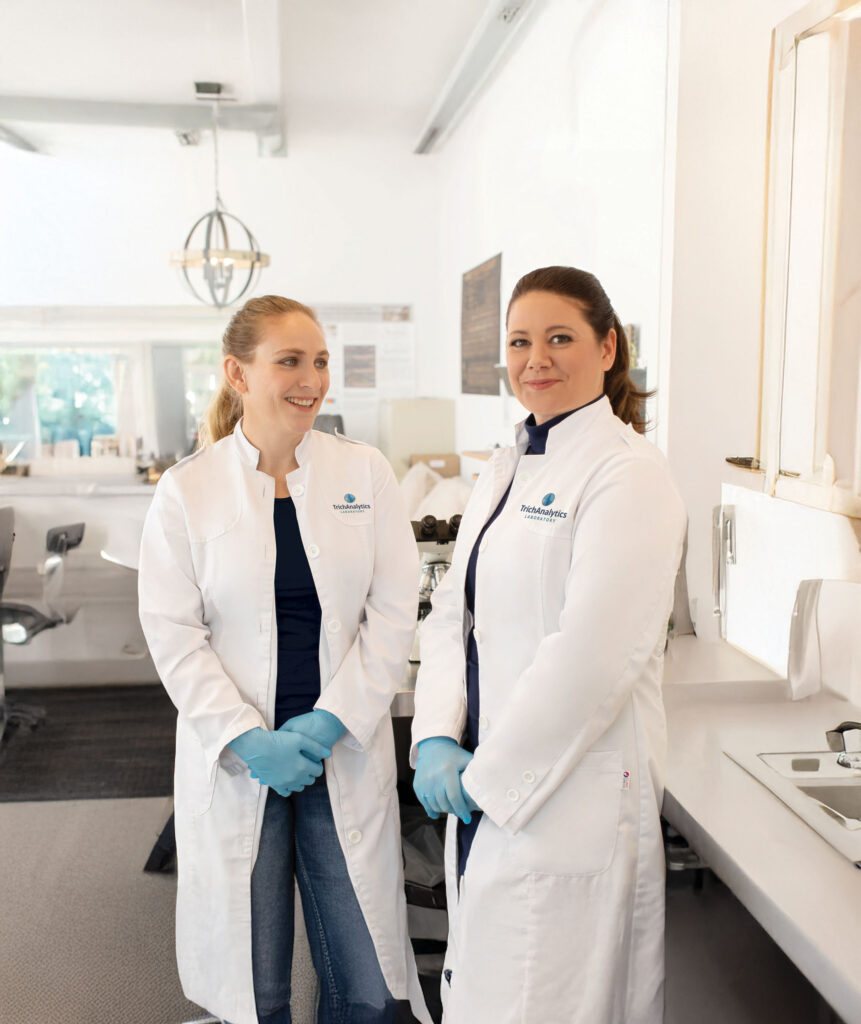
"TrichAnalytics doesn't just process samples. We help clients determine what's worth testing, what's possible, and how to get defensible answers from difficult situations." Dr Jennie Christensen, Fondatrice & Directrice scientifique


| Qualifications | Other Labs | TrichAnalytics |
|---|---|---|
| Total metal analysis | ||
| Acid digestion | ||
| Green chemistry | ||
| Minimum sample weight requirement <100 mg | ||
| Minimum sample weight requirement >5g | ||
| Standard turn-around times (<2 weeks) | ||
| Chronological / spacial / temporal detail in growing tissues (e.g., hair, bone) | ||
| Reliable detection maintained at very low sample weights | ||
| Previously unusable samples become analytically viable | ||
| More complex and targeted questions can be explored | ||
| Data supports deeper forensic-type investigation | ||
| Approaches adapted collaboratively to the needs of each project |












Description: Using 4 mm muscle biopsy plugs (~15 mg) to support a non-lethal fish monitoring program for metal analysis, without compromising data quality. Clients used these small biopsies to reduce fish mortality while providing reliable metal exposure data. They can also be used on at-risk fish where lethal sampling is not an option.
Tissues: 4 – 6 mm biopsy plug
Quantity: ~300 samples
Species: Rainbow Trout, Bull Trout, Mountain Whitefish, Sturgeon, Kokanee
Clients by Sector:
Description: Conduct routine metals analyses collected through environmental, aquatic effects monitoring programs of benthic invertebrate communities. Low volume samples included those <10 mg without compromising data quality.
Tissues: benthic invertebrates
Quantity: ~ 12,500 samples
Species: various, community
Clients by Sector:
Description: Metal measurements in minute algal samples (<10 mg) grown in a lab or collected directly from the field. To support monitoring of contaminant transfer through aquatic food webs.
Tissues: algae and periphyton
Quantity: ~1,200 samples
Species: various, community
Clients by Sector:
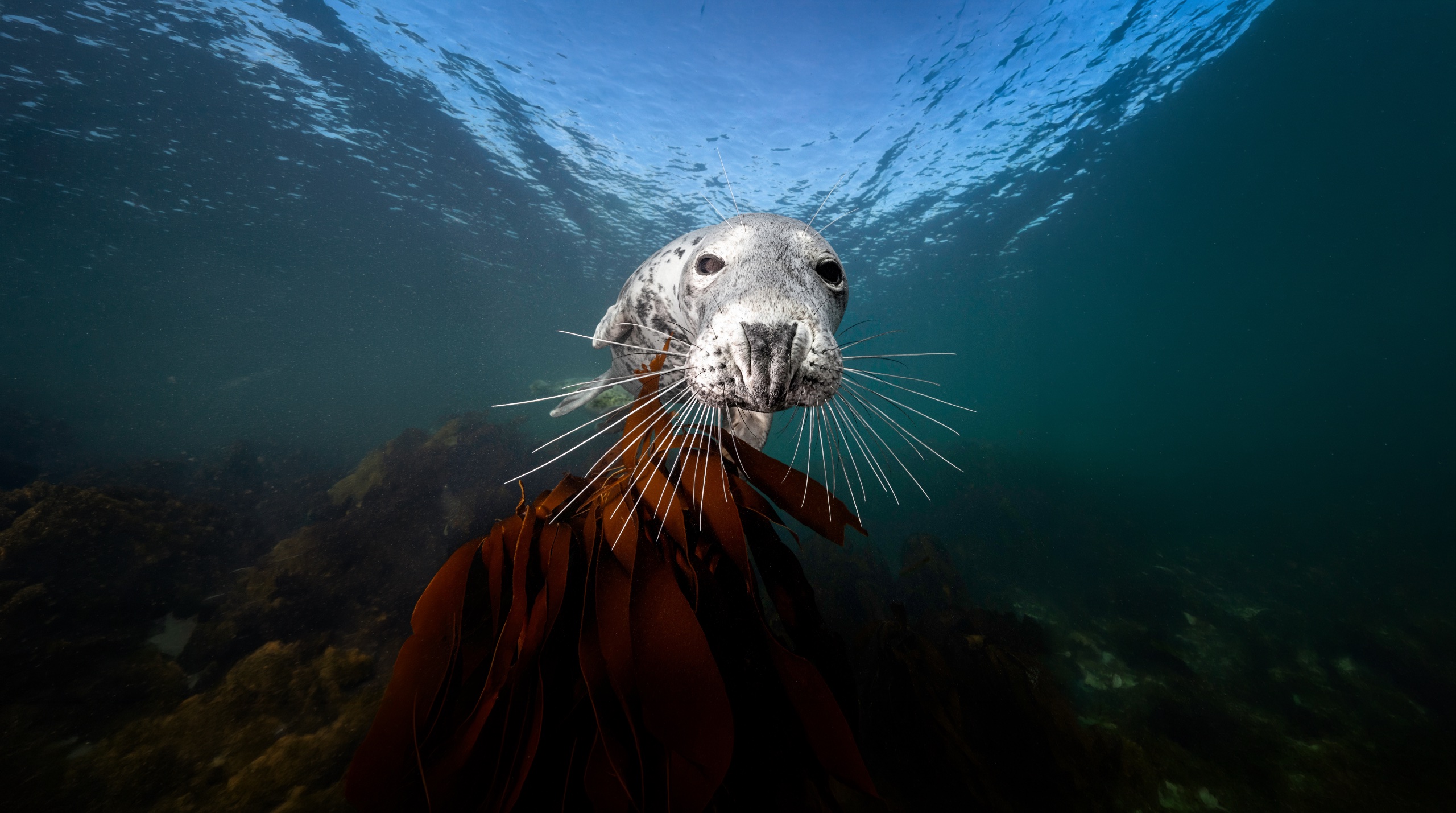
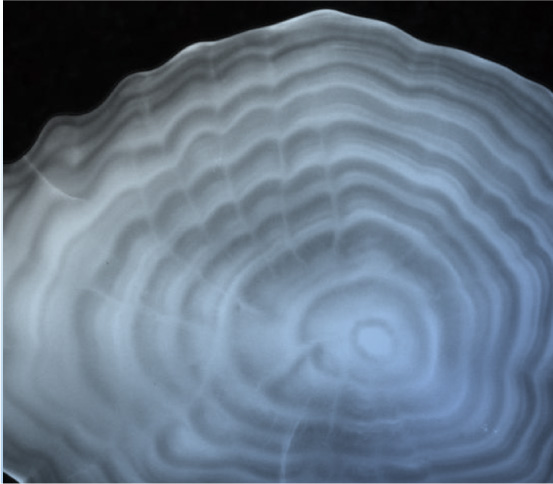
Description: Fish stream use and ocean migration can be predicted using modeling of otolith and fin ary chemistry data alongside water chemistry data. Information obtained can include age, early life history, natal and rearing habitat, movement, residency patterns, and ocean migration.
Tissues: otoliths and fin rays
Quantity: ~600 fin rays, ~1500 otoliths
Species: White Sturgeon, Chinook, Sockeye, Rainbow Trout, Bull Trout, Walleye, Eulachon, Kokanee, Arctic Grayling
Clients by Sector:
Description: Fish otoliths and fin rays can be analyzed for several elements, but mainly for barium and strontium, which are used to assess freshwater and marine habitat use by fish. Otoliths can help assess impacts of a project on fish migration and spawning, and/or identify natal and rearing habitat.
Tissues: fish otoliths and fin rays
Quantity: >600 finrays, >2,500 otolithis
Species: White Sturgeon, Chinook, Sockeye, Rainbow Trout, Bull Trout, Walleye, Eulachon, Kokanee, Arctic Grayling, Atlantic Herring, Slimy Sculpin
Clients by Sector:
Description: Assessing metal exposure in farmed fish. By comparing elemental concentrations among aquaculture sites and net-pen locations, provided data to support the continuing monitoring of spatial and temporal differences in environmental exposure and stock-specific metal uptake.
Tissues: fish gill sub-sample
Quantity: >250 samples
Species: Atlantic Salmon
Clients by Sector:
Description: Metal analysis of small-bodied fish eggs weighing as little as 1 mg, enabling contaminant assessment at life stages previously inaccessible to conventional techniques. Also analyzed fish egg cross-sections to assess distribution of elements within different egg stages and structures.
Tissues: fish eggs
Quantity: >300 samples
Species: Redside Shiner, Columbia Spotted Frog
Clients by Sector:
Description: To support aquatic effects monitoring programs (AEMP) and Environmental effects monitoring (EEM) by providing high-quality exposure data while overcoming the sample mass limitations of traditional digestion-based ICP-MS methods.
Tissues: muscle, ovary, whole body, liver
Quantity: >4,000 samples
Species: Chinook, Sockeye, Rainbow Trout, Bull Trout, Walleye, Arctic Grayling, Slimy Sculpin, Mountain Whitefish, Dolly Varden
Clients by Sector:
Description: Method development for analysis of tree rings for multiple metals for use as a long-term monitoring program at mine site locations. Optimize analytical settings, accuracy, precision, detection limits, matrix matched CRMs, and data acquisition. Compared a reference to an exposed cedar tree ring core for all metals and characterized temporal variability.
Tissues: tree ring cores
Quantity: n/a
Species: cedar
Clients by Sector:
Description: With zooplankton and phytoplankton samples <10 mg dried (99% moisture) total metal analysis is conducted as part of a food web monitoring program for select metals. Total metal accumulation in these matrices is normally not possible using conventional analysis due to extremely small sample sizes and challenges with sample preparation.
Tissues: zooplankton and phytoplankton
Quantity: >50 samples
Species: various, Daphnia magna
Clients by Sector:
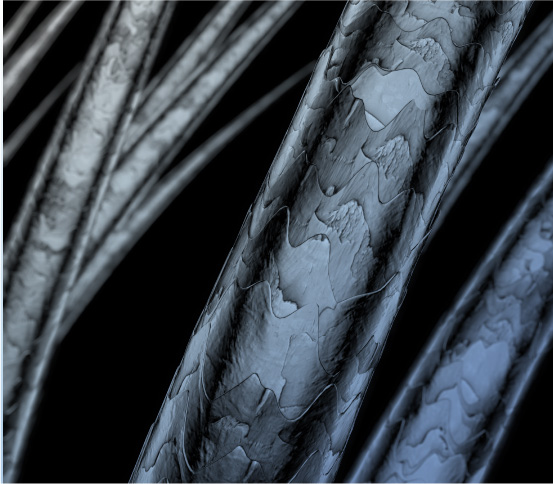
Description: Analyzing fur and whiskers using LA-ICP-MS analysis as a non-invasive monitoring tool for metal exposure and dietary assessment. Data can be used to assess changes in exposure over time, over spatial scales relative to anthropogenic development, and dietary influences.
Tissues: hair and whiskers
Quantity: >400 samples
Species: grizzly bear, mice, rat, caribou, moose, cow, horse, dog, deer, black bear
Clients by Sector:
Description: Using single human hair strands with root intact analyzed using LA-ICP-MS for total metal exposure, and in some cases, nutritional and dietary analysis. Hair analysis is an excellent non-invasive biomonitoring tool to assess metal exposure over time, as hair is a growing biological tissue.
Tissues: hair
Quantity: >5,000 samples
Species: human
Clients by Sector:
“Trich is one of the top two labs I've worked with. Great client service and technical expertise.” EcoTox LLC
"TrichAnalytics has been great to work with, responds to questions in a friendly and timely manner, requires very little sample size to complete the required analysis and is cost effective and efficient in providing the data results." Highland Valley Copper, TECK Resources Ltd.
“TrichAnalytics is by far our favourite lab to work with. Your communication, responsiveness, qa/qc, expertise and R&D set you above many other labs.” Minnow Environmental
“Easy to work with and very accommodating.” Worley Canada Services Ltd.
“TrichAnalytics is my favourite lab to work with. Your quick turn around times and friendly service is much better than my experiences with other analytical labs.” Palmer Environmental
“Great. Analysis is very consistent, so I know what to expect.” UNBC
“Trich provide excellent service to us, high quality results within the TAT. The best service compared to other labs that we have used. Excellent reliability, best analytical precision.” EVR
